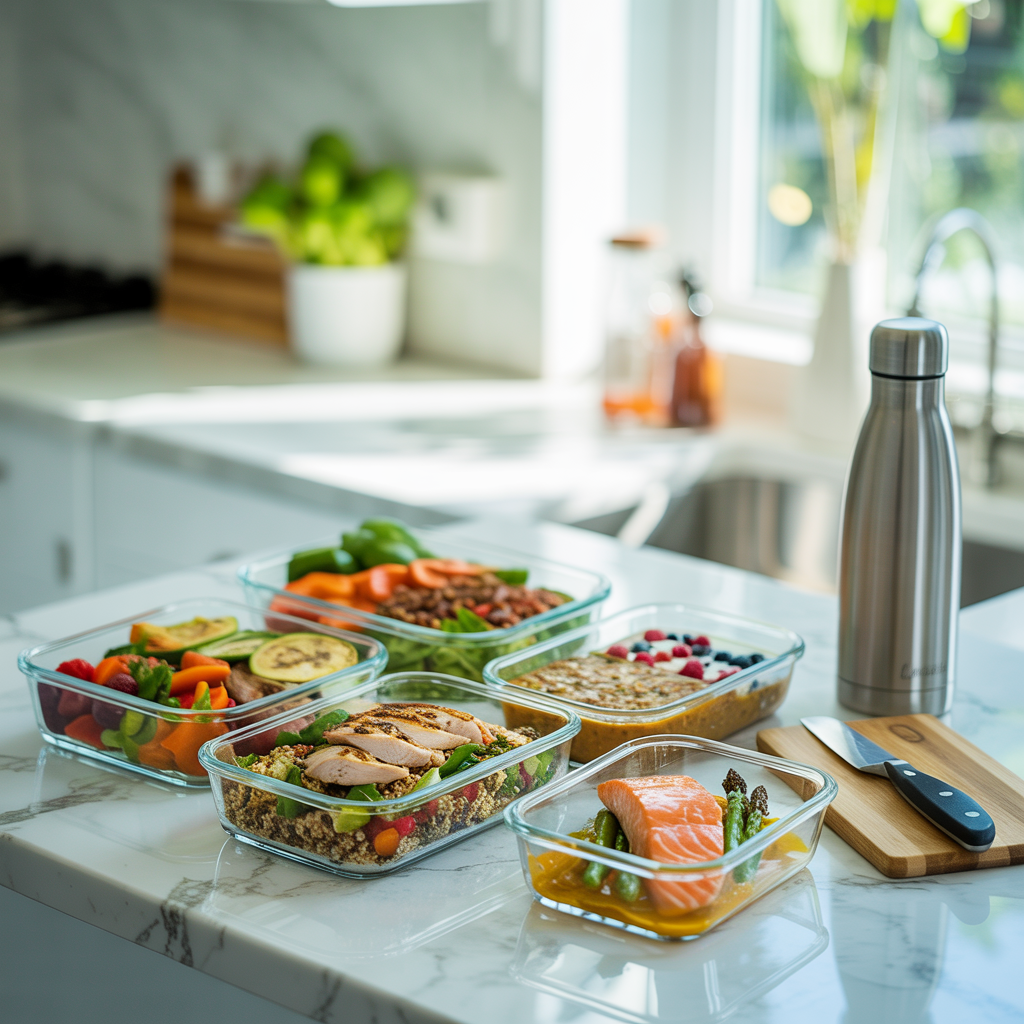
To create a mouth-watering Asian chicken salad with sesame ginger dressing, you’ll need a combination of crunchy textures, nutrient-dense edamame, and a savory dressing that echoes the flavors of 1950s Chinese-American cuisine. Start by toasting sesame seeds for a nuttier flavor and crunchy texture, then blend them with rice vinegar, soy sauce, brown sugar, fresh ginger, and garlic for your dressing. Add protein-rich edamame, diced chicken, and cucumber, and you’ll have a salad that’s both flavorful and healthy. Want to know the secrets to making it truly unforgettable?
##
When crafting your sesame ginger dressing, start by blending sesame oil, rice vinegar, soy sauce, and brown sugar to form the base. This foundation provides a rich, savory flavor profile. Next, add fresh ginger and garlic to introduce aromatic depth. You can also opt for hoisin sauce to add sweetness or Sriracha for an extra kick. To enhance the nutty undertones, incorporate sesame seeds or toasted sesame oil. Finally, balance the acidity with citrus, such as lime or mandarin orange juice, to complement the savory notes. This Asian-inspired salad dressing packs 278kcal of flavor per serving. The recipe is flexible and easy to prepare, making it a great option for a quick and delicious meal. Refrigerate the dressing until ready to use, such as when you’re preparing the Napa cabbage.
Crunchy Texture Is Key
Crunchy textures are an essential element in crafting an unforgettable Asian Chicken Salad.
You might wonder why, but the answer lies in the sensory appeal of crunchy textures.
When you bite into a crunchy vegetable, like carrots or bell peppers, the sound and feeling stimulate your senses, making you perceive the ingredients as fresher and of higher quality.
This contrast between crunchy veggies and soft proteins creates a dynamic mouthfeel that keeps you engaged.
Plus, the “crunch effect” can even help you eat more mindfully and reduce overeating.
Research has shown that Crunchers prefer hard, crunchy cookies and granola bars, and this preference can be applied to other ingredients in the salad as well.
The role of texture in culinary enjoyment, such as the crunch of seared steak, further emphasizes the importance of incorporating crunchy elements in the salad.
Crunchy foods are often associated with firm textures, which are linked to freshness and increased enjoyment due to the sounds produced.
Individual differences in texture preferences, such as squishy or crunchy, can greatly impact the overall dining experience, making it essential to cater to diverse tastes.
Fresh Ginger Zing Wins
The aromatic zing of fresh ginger takes center stage in Asian Chicken Salad, elevating the dish from ordinary to extraordinary.
Fresh ginger’s aromatic zing catapults Asian Chicken Salad from ordinary to extraordinary, adding a depth of flavor and cultural authenticity.
You’ll experience its impact in three key ways:
- Enhanced flavor synergy: Fresh ginger’s potency is multiplied when paired with sesame oil, revealing a deeper, more complex taste profile.
- Boosted bioavailability: The sesame oil combo increases the absorption of fat-soluble nutrients, making each bite more nutritious.
- Authentic Asian flair: With 73% of consumers linking fresh ginger to authentic Asian flavors, this ingredient is a game-changer for your salad’s cultural credibility. Fresh ginger also contains gingerol, which has potent medicinal properties, making it a nutritious addition to your salad. Additionally, fresh ginger has been shown to inhibit growth of bacteria, making it a great natural preservative in your salad. Fresh ginger is prized for eating and healing purposes, and its knobby rhizomes are a key ingredient in many Asian dishes.
Chinese Influence in 1950s
As Chinese cuisine adapted to American tastes in the 1950s, you’ll notice a fascinating blend of cultural compromise and innovation. Menus featured modified dishes like chop suey and chow mein, sweetened sauces, and added vegetables like broccoli. The egg roll, invented in 1930s New York, became a staple. Chinese restaurants expanded to suburban malls, offering affordable, 24/7 service, takeout, and delivery to cater to fast-paced American lifestyles. This growth provided critical employment for Chinese immigrants facing workplace discrimination, with over 30,000 Chinese restaurants in the U.S. by certain periods. As the first nationally recognized ethnic cuisine, Chinese food paved the way for broader acceptance of Asian flavors in the U.S. Chinese immigrants, who arrived in the 1850s, played a significant role in introducing Asian cuisine to the American market. In the midst of this adaptation, regional food variations like Cantonese and Shanghainese traditions blended in families from different areas, influencing the development of Asian-inspired dishes like our Asian Chicken Salad. Furthermore, frozen pastry products like PA Flatbread allowed for the convenient preparation of Asian-inspired dishes in American households.
Protein-rich Edamame Required
You’re about to discover the essential ingredients that make this Asian Chicken Salad a nutritional powerhouse, starting with the protein-rich edamame.
This superfood brings 18-18.5 grams of protein per cup to the table, making it an excellent addition to your salad. Edamame is a balanced nutrient source, delivering 18.4g protein, which is about one-third of its total calories. With its high folate content, edamame also supports healthy cell growth and development. Additionally, one cup of cooked edamame provides 37% DV protein, making it an ideal component of a protein-packed meal. To put this in perspective, burning off 90 KCal from edamame would require Walking (3mph): 25 minutes of physical activity.
As you explore the full ingredient list, you’ll see how edamame’s impressive protein content sets the stage for a satisfying and healthy meal.
The Full Ingredient List
Essential Ingredients:
- 1 cup edamame
- 1/2 cup diced cooked chicken
- 1/2 cup diced cucumber
- 1/2 cup diced carrots
- 1/4 cup chopped scallions
- 1/4 cup chopped fresh cilantro
- 2 tbsp soy sauce
- 1 tbsp honey
- 1 tsp grated ginger
- Salt and pepper to taste
Edamame, being a nutrient-dense option, provides 9 grams of fiber in a half-cup serving, equivalent to four slices of whole-wheat bread. As a rich source of Vitamin C, edamame adds an extra layer of nutrition to this Asian-inspired salad.
Sharp Chef’s Knife Required
Slice through the prep work efficiently with a sharp chef’s knife, and you’ll be well on your way to creating a stellar Asian Chicken Salad.
Efficiently slice through prep work with a sharp chef’s knife to create a stellar Asian Chicken Salad.
With a sharp blade, you’ll reduce effort, accelerate prep time, and minimize crushing of delicate herbs and leafy vegetables.
This means you’ll enjoy:
- Efficient prep: Slice through ingredients with minimal force and single clean cuts.
- Better food quality: Preserve cellular structure in produce, retain nutrients, and maintain visual appeal.
- Improved safety: Reduce downward pressure, blade slippage risks, and accidental injury potential.
By staying up-to-date on the latest from ChefSteps, you can agree to receive promotions, surveys, and more to enhance your culinary skills.
(The added sentence incorporates the main factual point about staying up-to-date on the latest from ChefSteps and agreeing to receive promotions, surveys, and more.)
Toast Sesame Seeds First
You’re about to take your Asian Chicken Salad to the next level by toasting sesame seeds first. This simple step brings out a nuttier flavor and crunchy texture that will elevate your dish. Additionally, toasting sesame seeds can increase their nutritional value, providing a good source of fiber that supports digestive health. Sesame seeds are also rich in omega-6 fatty acids and antioxidants, which contribute to traditional medicinal uses. They are an ideal addition to plant-based diets, thanks to their approximately 4.7 grams per ounce of protein content. Furthermore, sesame seeds contain thiamin, which is essential for energy production. Now, let’s move on to chopping scallions into rings, mixing edamame with chicken, grilling chicken at medium, and adding a toasted sesame oil drizzle.
1. Chop Scallions Into Rings
Grab your trusty 8-inch chef’s knife and get ready to chop those scallions into perfect rings.
To achieve uniformity, cut the scallions at a 45-degree bias, increasing the surface area for the dressing to cling to. Separate the white and green sections to create a layered texture in your salad.
After cutting, submerge the scallions in an ice water bath to maintain cellular integrity and prevent browning.
This step guarantees a crunchy, fresh-tasting scallion that complements the toasted sesame seeds and ginger dressing.
Raw sesame seeds contain 14.11 grams of fat per ounce, making them a nutritious addition to our salad.
2. Mix Edamame With Chicken
Toast sesame seeds in a dry skillet over medium heat, stirring frequently, to bring out their nutty aroma and enhance the overall flavor of your Asian Chicken Salad. Once toasted, set them aside to incorporate later.
Now, it’s time to mix edamame with chicken. Make sure both ingredients have cooled completely to maintain their texture and crunch. Combine the cooked, marinated chicken with the prepared edamame, and gently toss to distribute evenly.
This mix will form the core of your salad. Store it in the fridge for up to 5 days, and add the sesame ginger dressing just before serving to preserve the freshness and flavors of your Asian Chicken Salad.
3. Grill Chicken at Medium
cooking_action: Preheat the gas grill to medium heat (400°F) and establish a direct heat zone over the flames.
Oil the grill grates after preheating to prevent sticking.
Place the chicken breasts over the direct heat zone and close the lid.
Grill for 4-5 minutes per side, or until the internal temperature reaches 155-160°F.
4. Add Toasted Sesame Oil Drizzle
As you’ve perfectly grilled your chicken, it’s time to elevate the flavors and textures of your Asian Chicken Salad by incorporating the aromatic and nutritious benefits of toasted sesame oil.
To do this, you’ll first need to toast sesame seeds.
This process enhances the nutty flavor profile, reduces oxalates and phytates, and increases antioxidant availability.
You can toast sesame seeds using the dry pan method or oven method, ensuring even browning and a crisp texture.
Once toasted, let the seeds cool for 5 minutes before grinding them into oil.
This oil will provide a rich source of magnesium, polyunsaturated fats, and antioxidants, making it the perfect addition to your Sesame Ginger Dressing.
Sesame Ginger Dressing Unites
Sesame ginger dressing is an essential component of Asian Chicken Salad.
This savory condiment combines the toasted sesame oil, fresh ginger, and soy sauce for umami depth, balancing sweet and savory elements.
Sesame oil, fresh ginger, and soy sauce unite for umami depth, balancing sweet and savory elements in perfect harmony.
The inclusion of raw garlic provides pungent undertones that mellow when marinated.
With an avocado oil base, this dairy-free dressing boasts a rich mouthfeel and a 63% fat content.
ingredients_visual: {load_text} sesame oil, fresh ginger, soy sauce, honey, maple syrup, garlic, rice vinegar, avocado oil
Chill Ingredients Before Mixing
You’ll want to chill your ingredients quickly to preserve their texture and flavor, so make sure to refrigerate all components before mixing them together.
This step is essential, as it allows you to assemble your Asian Chicken Salad without sacrificing the integrity of your ingredients.
Cooling Down Ingredients Fast
Rapidly chill your ingredients to guarantee a harmonious blend of flavors and textures in your Asian Chicken Salad.
You can achieve this by submerging sealed containers in ice water for 10-15 minutes or spreading ingredients thinly on sheet pans to accelerate heat dissipation.
Pre-chill your mixing bowls to prevent temperature rebound during preparation.
For proteins like chicken, freeze them for 20 minutes to achieve surface chill without crystallization.
You can also rotate ingredients in the freezer to guarantee even cooling without partial freezing.
Chilling All Components First
By controlling the temperature of your ingredients, you’ve set the stage for a harmonious blend of flavors and textures in your Asian Chicken Salad.
Chilling all components first guarantees that each element retains its integrity, from the crunch of vegetables to the firmness of chicken.
Cold ingredients also delay enzymatic browning, preserve natural sweetness, and intensify umami notes in the sesame-ginger dressing.
Furthermore, chilled surfaces improve dressing adhesion, and vibrant colors remain saturated.
Refrigerate Before Assembly
As you prepare to assemble your Asian Chicken Salad, remember that refrigeration plays an essential role in enhancing the final product.
By chilling ingredients before mixing, you’ll preserve the crispness of vegetables like cabbage and carrots, prevent sogginess in leafy greens, and maintain the firm texture of proteins like chicken.
Refrigeration also allows flavors to meld and intensify, reduces bitterness in raw vegetables, and slows oxidation, preserving citrus notes in dressings.
Furthermore, it guarantees food safety by preventing bacterial growth and pathogen proliferation.
Overmixing the Sesame Dressing
When whisking the sesame dressing, you’re racing against time to achieve the perfect emulsion.
Racing against time, whisking sesame dressing demands precision to achieve the perfect emulsion before it’s too late.
Overmixing can lead to emulsion breakdown, causing visible oil pools to form on the surface.
This requires rewhisking, which can be frustrating and time-consuming.
To avoid this, remember:
- Limit blending time: 30-60 seconds in a blender or 10-15 shakes in a sealed jar.
- Pulse blend: This helps maintain the ideal viscosity and prevents liquefying tahini or sesame paste.
- Whisk gently: Avoid aggressive blending to preserve the distinct flavors and textures of your ingredients.
Pair With Steamed Dumplings
Pair your Asian Chicken Salad with steamed dumplings for a match made in culinary heaven!
This combination brings together flavor synergy, textural contrast, and cooking method efficiency.
The umami-rich dumpling fillings complement the sesame ginger dressing’s tangy-sweet profile, while the soft dumpling wrappers contrast crispy salad components.
Steaming dumplings aligns with salad prep time, and shared prep tools reduce kitchen cleanup.
You can even repurpose leftover salad proteins in dumpling fillings.
Serve the salad and dumplings together on a platter, garnished with toasted sesame seeds and microgreens, for a visually appealing and nutritionally balanced meal.
Air-Tight Container for Days
You’ve perfectly paired your Asian Chicken Salad with steamed dumplings – now it’s time to think about storing any leftovers.
Store your prepared salad in an airtight container, which will keep it fresh for 3-5 days in the refrigerator.
Make sure the container is airtight to prevent air from getting in and spoiling the salad.
If you don’t plan to eat it within that timeframe, consider freezing it for up to 3-4 months.
When storing, transfer the salad to a glass or plastic container to prevent any metallic taste from transferring to the food.
Frequently Asked Questions About Calories
You’re probably wondering how to make this Asian Chicken Salad recipe even healthier, and you’ve got some calorie-related questions.
Can you use almond oil instead of sesame oil to reduce the calorie count, and how far in advance can you prep this salad without sacrificing flavor or texture?
Let’s get into the details to make this recipe work best for your dietary needs.
Can I Use Almond Oil?
Exactly how much of a calorie impact does substituting almond oil for other oils have on your Asian Chicken Salad?
You’ll add 120 calories per tablespoon, which mightn’t be ideal for calorie-sensitive diets.
However, almond oil’s healthier fat profile, rich in monounsaturated and polyunsaturated fats, justifies moderate use in balanced diets.
It’s cholesterol-free, sodium-free, and contains phytosterols that may help reduce LDL cholesterol.
If you choose to use almond oil, be mindful of portion control, as it packs 9 calories per gram of fat.
In the context of your Asian Chicken Salad, almond oil can be a healthier alternative to other oils, but consume it in moderation to maintain a balanced calorie intake.
0 Minutes of Prep Time
About 40-60 minutes of your time are required to prepare a homemade Asian chicken salad from scratch, with factors like pre-cooked rotisserie chicken, fresh vegetable chopping, and homemade sesame ginger dressing preparation greatly influencing the overall prep time.
You’ll save 15-20 minutes if you use pre-cooked rotisserie chicken, but chopping fresh veggies like cabbage, cucumber, and scallions will add 10-15 minutes.
Making your own sesame ginger dressing takes 5-7 minutes.
With a 3:1 ratio of active kitchen time to passive marinating time, you’ll need to budget your time wisely.
Up to 3 Days Ahead
Three days ahead of serving, you can prepare most components of your Asian chicken salad, and this advance prep won’t compromise the dish’s nutritional profile. You can store marinated chicken, vegetables, and dressing separately without affecting the calorie count. However, keep in mind that the marinated chicken will absorb 5-7% more oil, and vegetables will lose 2-3% water content, slightly increasing calorie density by day three. Make sure to shake the dressing well before using it to maintain even calorie distribution. With proper storage, your Asian chicken salad will retain its nutritional value, and you can assemble it just before serving.
Enjoy Your Delicious Homemade !
Toss aside any doubts and dig into your freshly prepared Asian Chicken Salad, bursting with flavor and texture! You’ve worked hard to create this masterpiece, and it’s time to reap the rewards.
Savor the combination of crunchy elements like almonds and chow mein noodles, fresh veggies, and tender chicken, all tied together with your signature sesame ginger dressing.
Take a bite and appreciate the harmony of flavors and textures you’ve achieved.
Don’t be afraid to get creative and make adjustments to suit your taste.
Remember, the key to a great salad is freshness, so be sure to assemble just before serving and store leftovers wisely.
Enjoy your delicious homemade Asian Chicken Salad!
Frequently Asked Questions
Can I Use Pre-Ground Ginger Instead of Fresh?
When substituting, you’ll find pre-ground ginger lacks fresh ginger’s zing, and using it can lead to bitter notes. However, in a pinch, you can use 1/4 tsp ground ginger per 1 tbsp fresh, but be aware the flavor will be milder and sweeter.
How Long Does the Sesame Ginger Dressing Keep in Fridge?
You’re wondering how long your homemade dressing keeps in the fridge? Generally, it lasts 4 days to 2 weeks, depending on fresh ingredients; if you use an oil and vinegar base without fresh aromatics, it can last 2-4 weeks.
Can I Substitute Edamame With Other Protein Sources?
You can substitute edamame with other protein sources, like tofu, tempeh, or TVP for a soy-based twist, or opt for shrimp, chicken, or salmon for an animal-based alternative, adjusting cooking times and flavors as needed.
Is It Necessary to Toast the Sesame Seeds Before Using?
You don’t always need to toast sesame seeds, but toasting enhances their flavor, aroma, and texture, making them ideal for dressings and sauces where flavor penetration is key – so, it’s worth the extra 5-10 minutes of effort.
Can I Make This Salad With Cooked Chicken Breast Instead?
You can definitely make a salad with cooked chicken breast – it’s a great protein source that integrates seamlessly into various textures. You can bake, grill, poach, or broil it, and even use leftover or rotisserie chicken for convenience.
References
- https://feelgoodfoodie.net/recipe/asian-chicken-salad/
- https://www.recipetineats.com/chinese-chicken-salad/
- https://tastesbetterfromscratch.com/asian-chicken-salad/
- https://www.glanbianutritionals.com/en/nutri-knowledge-center/insights/why-consumers-crunch
- https://www.markys.com/blog/the-science-of-food-texture-exploring-crispy-creamy-and-chewy-elements
- https://www.foodrepublic.com/1559986/crispy-vs-crunchy-texture-difference/
- https://www.sporkful.com/squishy-or-crunchy-why-texture-matters/
- https://www.paradise-fruits.de/en/texture-of-food-how-taste-and-texture-influence-each-other/
- https://www.healthline.com/nutrition/11-proven-benefits-of-ginger
- https://www.webmd.com/diet/ss/slideshow-health-benefits-ginger
- https://www.health.harvard.edu/staying-healthy/health-benefits-of-ginger-and-simple-ways-to-incorporate-this-zesty-root-into-your-diet
- https://www.ncbi.nlm.nih.gov/books/NBK92775/
- https://www.malindalo.com/blog/2021/2/02/chinese-food-in-1950s-america
- http://conniewenchang.bol.ucla.edu/menus/index.html
- https://oxfordre.com/americanhistory/oso/viewentry.layout.searchwithinspecializations_0:updatespecializations?t:ac=10.1093$002facrefore$002f9780199329175.001.0001$002facrefore-9780199329175-e-273
- https://www.pa-food.com/blog/asian-cuisine-in-america/
- https://www.foodtimeline.org/foodasian.html
- https://www.verywellfit.com/edamame-nutrition-facts-4583022
- https://www.medicalnewstoday.com/articles/280285
- https://www.healthline.com/nutrition/edamame-benefits